
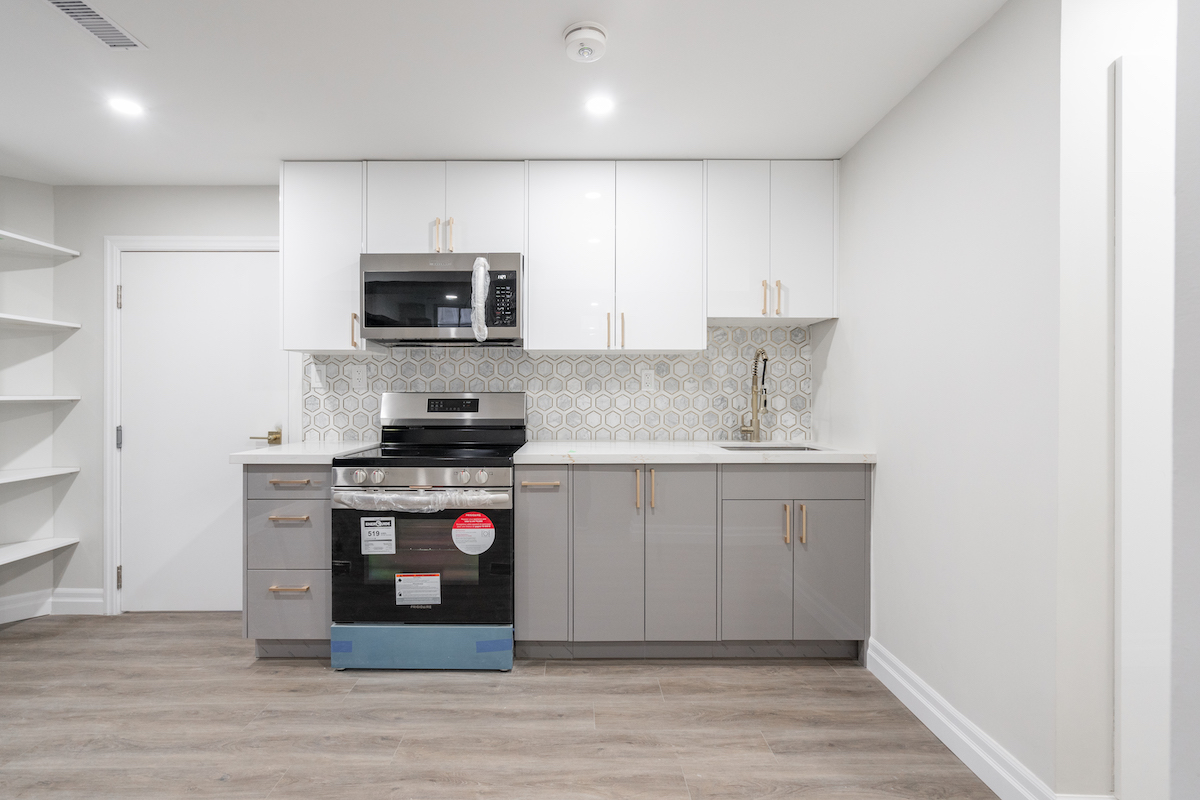
Renovating a basement can be an exciting project for homeowners looking to maximize their living space and increase the value of their property. In Toronto, where basement apartments are a popular housing option, it’s essential to understand the legal requirements and regulations surrounding basement renovations. From obtaining the necessary permits to ensuring compliance with building codes and safety standards, here’s a comprehensive guide on how legal basements should be renovated in Toronto.
Key Takeaways
- Permits come first: legal basement renovations in Toronto require approval from the City of Toronto’s Building Division for structural, electrical, plumbing, and HVAC work.
- Ontario Building Code compliance governs ceiling height, egress, ventilation, and fire safety in legal basements — failure risks costly fines, delays, and legal consequences.
- Licensed professionals must handle all electrical and plumbing installations to OBC standards, preventing hazards and protecting the longevity of a Toronto basement renovation.
- Waterproofing is essential in Toronto’s rainy climate: a reliable drainage system, sump pump, and moisture barrier protect legal basements from dampness and flooding.
- Accessibility features such as wider doorways, grab bars, and non-slip flooring make a renovated Toronto basement inclusive for occupants of every age and ability.
Get The Right Permits
First and foremost, before embarking on any basement renovation project in Toronto, it’s crucial to obtain the appropriate permits from the City of Toronto’s Building Division. Depending on the scope of the renovation, you may need permits for structural changes, electrical work, plumbing installations, and HVAC upgrades. Working with a reputable renovation company like 905 Reno can streamline the permitting process and ensure that your project meets all regulatory requirements.
Comply with All Building Codes and By-laws
Once the necessary permits have been obtained, the next step in renovating a legal basement in Toronto is to ensure compliance with the Ontario Building Code (OBC) and the City of Toronto’s Zoning By-laws. These regulations dictate various aspects of basement renovations, including ceiling height, egress requirements, ventilation, fire safety measures, and electrical and plumbing standards. Failure to comply with these regulations can result in costly fines, delays, and even legal consequences.
Prioritize Safety
When renovating a legal basement in Toronto, it’s essential to prioritize safety and comfort for occupants. This includes ensuring adequate lighting, ventilation, and insulation to create a habitable living environment. Additionally, all electrical and plumbing installations must be completed by licensed professionals and meet the standards outlined in the OBC to prevent potential hazards and ensure the longevity of the renovation.
Address Moisture and Water Intrusion
One crucial aspect of renovating legal basements in Toronto is addressing moisture and water intrusion issues. Basements are prone to dampness and flooding, especially in Toronto’s climate with its heavy rainfall and occasional flooding events. As such, it’s essential to take proactive measures to waterproof the basement, including installing a reliable drainage system, sump pump, and moisture barrier. Working with a renovation company like 905 Reno that specializes in basement waterproofing can help mitigate the risk of water damage and ensure a dry and comfortable living space.
Plan
In addition to meeting regulatory requirements and ensuring safety, renovating a legal basement in Toronto also provides an opportunity to enhance the functionality and aesthetic appeal of the space. Whether you’re converting the basement into a rental unit, a recreational area, or a home office, thoughtful planning and design are essential to maximize the space’s potential. Consider factors such as layout, lighting, flooring, and finishes to create a welcoming and functional environment that meets your needs and lifestyle.
Accessibility
Furthermore, when renovating a legal basement in Toronto, it’s crucial to consider accessibility and universal design principles. This includes ensuring that the basement is easily accessible for individuals with mobility challenges, incorporating features such as wider doorways, grab bars, and non-slip flooring. By prioritizing accessibility, you can create a space that is inclusive and accommodating for all occupants, regardless of age or ability.
In conclusion, renovating a legal basement in Toronto requires careful planning, attention to detail, and compliance with regulatory requirements. By obtaining the necessary permits, adhering to building codes and safety standards, addressing moisture issues, and prioritizing functionality and accessibility, homeowners can transform their basement into a valuable and livable space. With the expertise of a reputable renovation company like 905 Reno, homeowners can navigate the renovation process with confidence and achieve their vision for their basement in Toronto’s dynamic real estate market.
Frequently asked questions
What makes a basement legal in Toronto?
A legal basement complies with the Ontario Building Code and the City of Toronto’s Zoning By-laws, which set standards for ceiling height, egress, ventilation, fire safety, and electrical and plumbing work — all completed under permits from the city’s Building Division. Non-compliance can bring costly fines, delays, and legal consequences.
Do I need a permit to renovate my basement in Toronto?
Yes. Depending on the scope of work, you may need permits from the City of Toronto’s Building Division for structural changes, electrical work, plumbing installations, and HVAC upgrades. Working with a reputable renovation company like 905 Reno can streamline the permitting process and keep the project compliant.
How do I keep a renovated basement in Toronto dry?
Waterproof proactively before finishing the space. Toronto’s heavy rainfall and occasional flooding make basements prone to dampness, so install a reliable drainage system, a sump pump, and a moisture barrier. Addressing water intrusion up front protects your investment and keeps the finished basement dry and comfortable year-round.
Can I turn my Toronto basement into a rental apartment?
Yes — basement apartments are a popular housing option in Toronto, but the space must first meet legal requirements: proper permits, Ontario Building Code standards for egress, ceiling height, ventilation, and fire safety, plus licensed electrical and plumbing work. Thoughtful layout, lighting, and finishes then make the unit rentable.
What safety features should a legal basement include?
Prioritize adequate lighting, ventilation, and insulation to create a habitable living environment, with all electrical and plumbing completed by licensed professionals to Ontario Building Code standards. Adding accessibility features — wider doorways, grab bars, and non-slip flooring — makes the space safe and welcoming for occupants of any age or ability.