Table of Contents
- Introduction
- What Is a Custom Home or Design-Build Renovation?
- Phase 1: Initial Consultation and Vision Planning
- Phase 2: Site Evaluation and Feasibility Analysis
- Phase 3: Architectural Design and Concept Development
- Phase 4: Budget Planning and Cost Estimation
- Phase 5: Permits and Toronto Building Approvals
- Phase 6: Pre-Construction Planning
- Phase 7: Construction and Structural Work
- Phase 8: Mechanical Systems Installation
- Phase 9: Interior Finishes and Custom Details
- Phase 10: Final Inspection and Project Completion
- Timeline Expectations for Custom Home Projects in Toronto
- Common Challenges During Custom Builds
- Why the Design-Build Approach Works Best
- Why 905 Reno Is the Right Partner for Custom Home Projects
- Conclusion
Introduction
Building or renovating a custom home is one of the most exciting—and complex—projects a homeowner can undertake. Whether you’re constructing a new custom residence, adding a major home extension, or undertaking a full luxury renovation, the process requires careful planning, collaboration, and expert execution.
In Toronto and the GTA, custom home projects must navigate architectural design, municipal regulations, permits, construction logistics, and high-quality finishing standards. Understanding the process from concept to completion helps homeowners make informed decisions and ensures a smoother renovation experience.
This guide explains the complete custom home process, outlining each stage involved in transforming an initial idea into a fully realized living space.
What Is a Custom Home or Design-Build Renovation?
Definition of a Custom Home Project
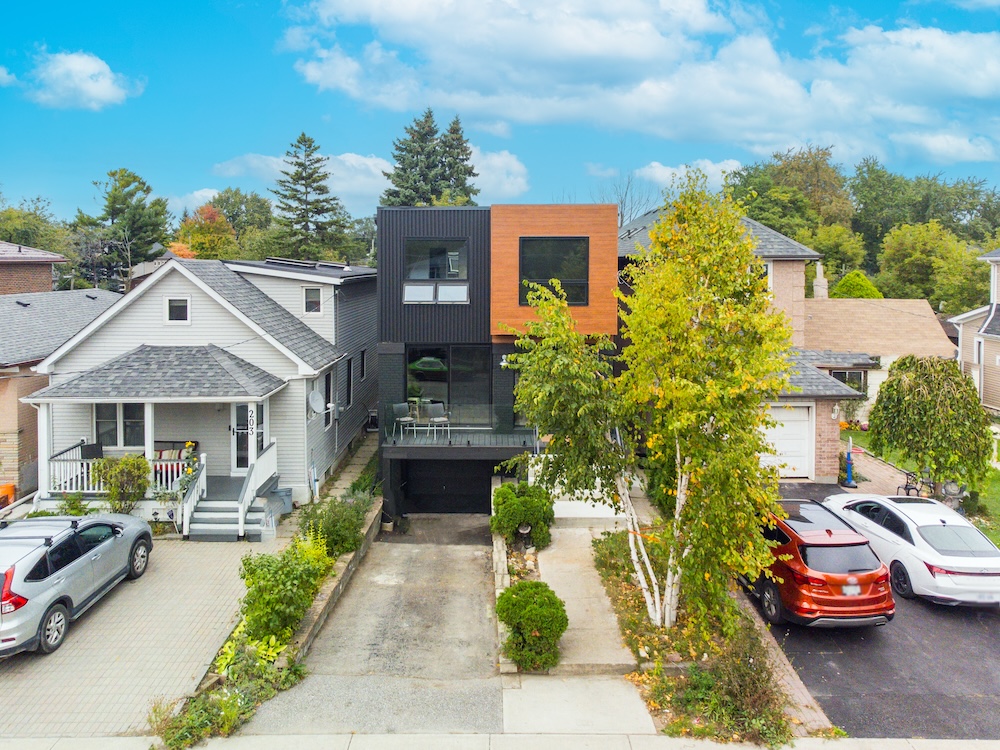
A custom home or design-build renovation is a construction process where every element of the home is designed specifically for the homeowner’s needs, lifestyle, and preferences.
Unlike production homes or basic renovations, custom projects emphasize:
- Personalized design
- High-quality craftsmanship
- Flexible layouts
- Premium materials
- Long-term functionality
The Design-Build Advantage
Many homeowners choose a design-build approach, where one team handles both design and construction. This simplifies communication, reduces delays, and keeps projects aligned with the original vision.
Phase 1: Initial Consultation and Vision Planning
Understanding the Homeowner’s Goals
The process begins with an in-depth consultation where homeowners discuss:
- Lifestyle needs
- Design preferences
- Budget expectations
- Timeline goals
- Desired features and upgrades
Exploring Inspiration
Clients may share inspiration from:
- Architectural styles
- Interior design ideas
- Online design references
- Existing homes they admire
This helps establish the direction for the project.
Phase 2: Site Evaluation and Feasibility Analysis
Assessing the Property
Before design begins, professionals evaluate:
- Lot size and zoning restrictions
- Structural limitations
- Soil conditions and drainage
- Existing utilities and services
Zoning and Bylaw Review
Toronto zoning bylaws determine:
- Maximum building height
- Setback requirements
- Lot coverage limits
- Floor space index (FSI)
Understanding these rules ensures the design complies with city regulations.
Phase 3: Architectural Design and Concept Development
Preliminary Concept Drawings
Architects and designers create conceptual drawings that outline:
- Floor plans
- Exterior appearance
- Room layouts
- Window placement
- Circulation flow
3D Visualization
Many modern projects use 3D renderings to help homeowners visualize the final result.
Design Revisions
Multiple revisions may occur until the design perfectly matches the homeowner’s expectations.
Phase 4: Budget Planning and Cost Estimation
Detailed Cost Breakdown
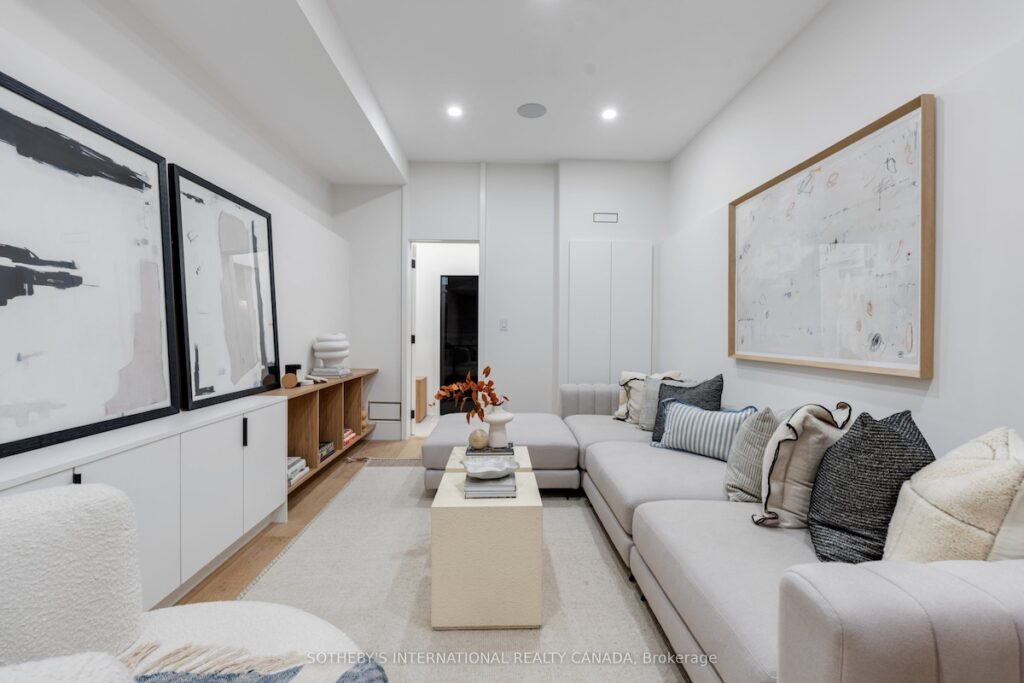
Once designs are finalized, contractors prepare detailed estimates covering:
- Materials
- Labour
- Permits
- Structural work
- Mechanical systems
- Interior finishes
Value Engineering
If necessary, adjustments are made to align the design with the available budget without compromising quality.
Phase 5: Permits and Toronto Building Approvals
Permit Submission
Architectural drawings are submitted to the City of Toronto for approval.
Permits may include:
- Building permits
- HVAC permits
- Plumbing permits
- Electrical inspections
Approval Timeline
Permit approval typically takes 4–12 weeks, depending on project complexity.
Phase 6: Pre-Construction Planning
Construction Scheduling
Before construction begins, contractors develop:
- Detailed timelines
- Material procurement schedules
- Trade coordination plans
Site Preparation
Preparation may include:
- Demolition
- Temporary protection of existing areas
- Utility adjustments
Phase 7: Construction and Structural Work
Foundation and Framing
The structural phase involves:
- Foundation work
- Structural framing
- Load-bearing support systems
- Roof construction
Building Envelope
Walls, roofing, insulation, and weatherproofing are installed to create a durable building shell.
Phase 8: Mechanical Systems Installation
Electrical Systems
Licensed electricians install:
- Wiring
- Lighting systems
- Smart home infrastructure
Plumbing
Plumbing installation includes:
- Water supply lines
- Drainage systems
- Fixtures preparation
HVAC Systems
Heating and cooling systems ensure year-round comfort and energy efficiency.
Phase 9: Interior Finishes and Custom Details
Luxury Finishes
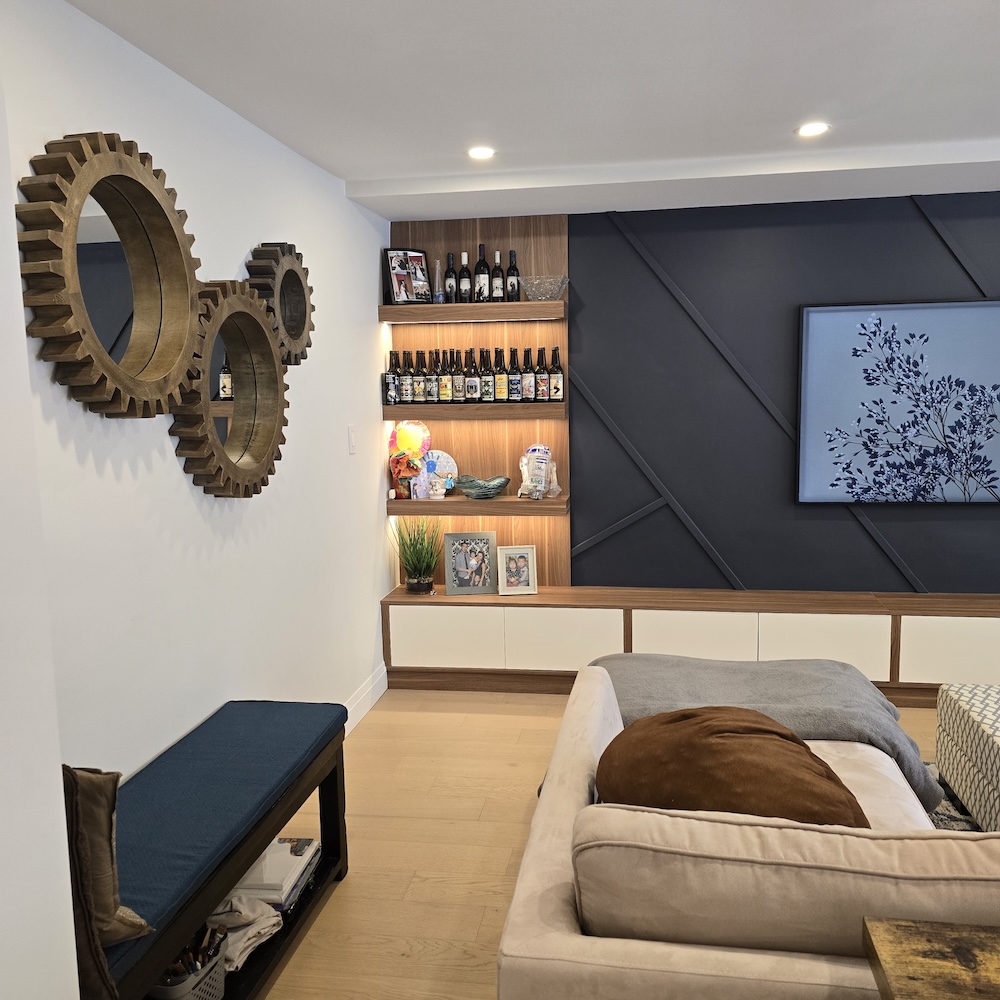
Interior finishing may include:
- Custom cabinetry
- Hardwood flooring
- Stone countertops
- Designer lighting
- Premium fixtures
Millwork and Built-Ins
Custom millwork enhances both functionality and aesthetics.
Phase 10: Final Inspection and Project Completion
Quality Assurance
Before completion, contractors conduct detailed inspections to ensure:
- Code compliance
- Structural integrity
- Finish quality
Final Walkthrough
Homeowners review the finished project and confirm all details meet expectations.
Timeline Expectations for Custom Home Projects in Toronto
Typical timelines include:
- Design and planning: 2–4 months
- Permit approval: 1–3 months
- Construction: 6–12 months
Total project duration typically ranges from 9–18 months depending on project scale.
Common Challenges During Custom Builds
Potential challenges include:
- Permit delays
- Material lead times
- Structural surprises in older homes
- Budget adjustments
- Weather conditions
Experienced contractors anticipate and manage these issues effectively.
Why the Design-Build Approach Works Best
Design-build construction simplifies the custom home process by:
- Combining design and construction teams
- Improving communication
- Reducing project delays
- Maintaining budget control
- Ensuring design feasibility
This streamlined approach is increasingly popular in Toronto’s renovation market.
Why 905 Reno Is the Right Partner for Custom Home Projects

905 Reno provides full design-build renovation services across Toronto and the GTA, including:
- Architectural planning and design
- Permit coordination
- Structural renovations
- Luxury interior finishing
- Kitchen and bathroom remodeling
- Home additions and extensions
- Basement transformations
Their experienced team manages projects from concept to completion, ensuring exceptional craftsmanship and attention to detail.
Conclusion
The custom home process involves multiple stages—from early planning and architectural design to construction and final finishing. By understanding each step, homeowners can approach their renovation with confidence and clarity.
Working with a professional design-build team ensures the project stays organized, compliant with regulations, and aligned with the homeowner’s vision. With careful planning and expert execution, a custom renovation transforms a house into a truly personalized living space.