Table of Contents
- Introduction
- What Is a Legal Basement Apartment in Toronto?
- Why Toronto Homeowners Are Building Legal Basement Units
- Toronto Zoning Rules for Basement Apartments
- Ontario Building Code Requirements
- Fire Code and Safety Regulations
- Permits Required for a Legal Basement Apartment
- The Inspection Process
- Cost to Build a Legal Basement Apartment in 2025
- ROI: Is a Legal Basement Apartment Worth It?
- Common Mistakes to Avoid
- Timeline for Building a Legal Basement Unit
- Why Work with 905 Reno
- Conclusion
Introduction
With rising housing prices and rental demand in Toronto, legal basement apartments have become one of the most valuable home upgrades available to homeowners. Whether your goal is to generate rental income, increase resale value, or accommodate extended family, building a legal basement apartment offers significant long-term benefits.
However, Toronto has strict zoning bylaws, Ontario Building Code requirements, and permit processes that must be followed carefully. This guide outlines everything you need to know about legal basement apartments in Toronto, including rules, permits, costs, and return on investment (ROI).
What Is a Legal Basement Apartment in Toronto?
A legal basement apartment, also known as a secondary suite, is a self-contained residential unit located within a home that meets all municipal and provincial requirements.
To qualify as legal, the unit must:
- Comply with Ontario Building Code
- Meet Toronto zoning bylaws
- Pass fire and safety inspections
- Include proper permits and approvals
Legal units are registered and compliant, making them safe to rent and easier to sell in the future.
Why Toronto Homeowners Are Building Legal Basement Units
Rental Income Potential
Legal basement apartments can generate between $1,500–$2,500+ per month, depending on location and finishes.
Increased Property Value
Homes with approved secondary suites often sell at a premium.
Mortgage Offset
Rental income can help reduce monthly mortgage payments.
Multigenerational Living
Basement units provide private living space for extended family members.
Toronto Zoning Rules for Basement Apartments
City-Wide Permissions
Toronto allows secondary suites in most residential zones, but certain conditions apply.
Key Zoning Considerations
- Minimum lot size requirements
- Parking requirements (in some cases)
- Maximum unit size limitations
- Separate entrance placement
- Height restrictions
Zoning verification is one of the first steps in planning a legal basement renovation.
Ontario Building Code Requirements
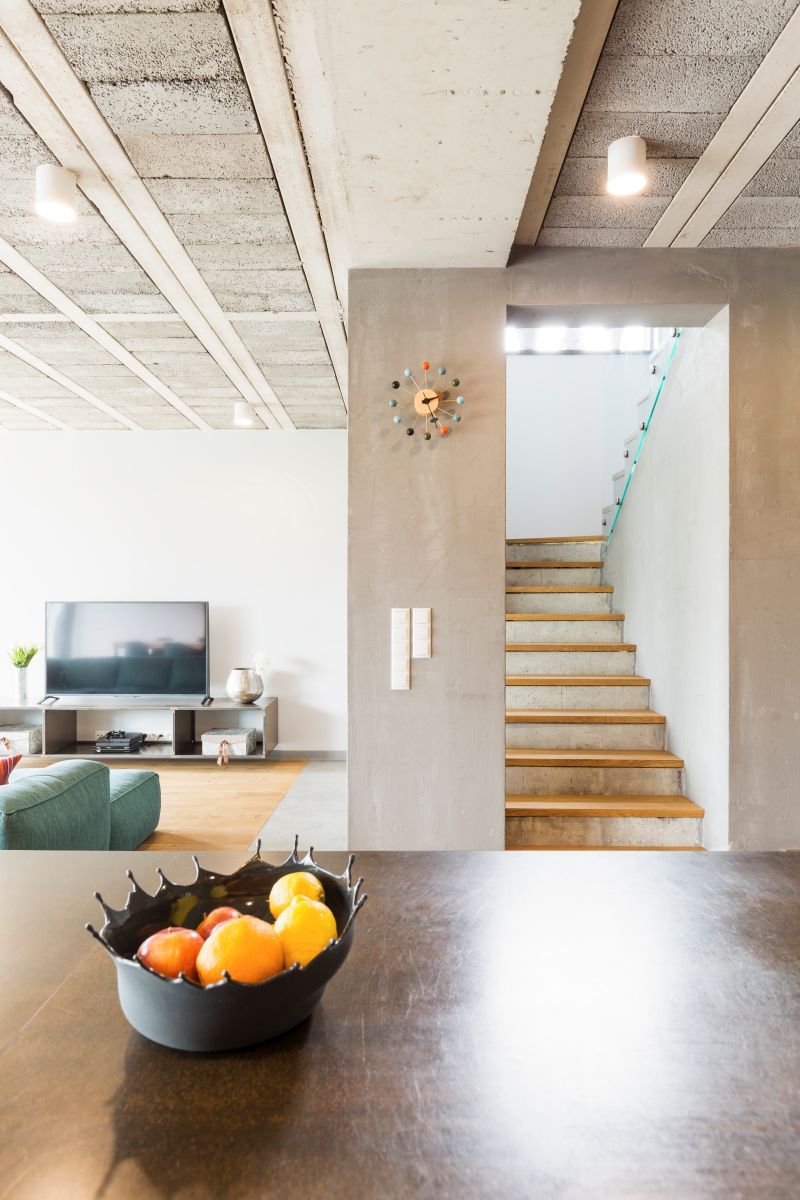
Legal basement apartments must meet specific building standards.
Ceiling Height
Minimum finished ceiling height is typically 6 feet 5 inches, though requirements vary depending on existing conditions.
Separate Entrance
Most legal units require a separate entrance.
Egress Windows
Bedrooms must have an egress window meeting size and clearance requirements.
Soundproofing
Fire-rated assemblies and sound separation between units are required.
Ventilation
Proper HVAC systems and air circulation are mandatory.
Fire Code and Safety Regulations
Fire safety is one of the most critical aspects of legal basement apartments.
Required Safety Features
- Fire-rated drywall and ceilings
- Smoke alarms interconnected between units
- Carbon monoxide detectors
- Fire separation walls
- Fire-rated doors
Failure to meet fire code can prevent approval and rental legality.
Permits Required for a Legal Basement Apartment
Legal basement construction requires several permits:
Building Permit
Required for structural changes, layout modifications, and room creation.
Plumbing Permit
Necessary for new bathrooms and kitchens.
Electrical Permit
Inspections through the Electrical Safety Authority (ESA).
HVAC Permit
If modifications to heating or ventilation systems are made.
Proper permit documentation ensures compliance and future resale protection.
The Inspection Process
After construction begins, inspections typically occur at key stages:
- Framing inspection
- Insulation inspection
- Plumbing rough-in
- Electrical inspection
- Final building inspection
A final occupancy approval confirms the basement apartment is legally compliant.
Cost to Build a Legal Basement Apartment in 2025
The cost varies depending on size, structural changes, and finish level.
Typical Cost Range in Toronto
- Basic legal basement: $60,000–$85,000
- Mid-range modern suite: $85,000–$120,000
- High-end legal suite: $120,000–$180,000+
Major Cost Components
- Architectural drawings and engineering
- Permit fees
- Excavation or underpinning (if needed)
- Framing and drywall
- Plumbing and electrical
- Kitchen installation
- Bathroom build
- Egress window installation
- Soundproofing
- Finishes
Costs vary significantly based on existing conditions.
ROI: Is a Legal Basement Apartment Worth It?
Rental Income
Annual rental income can range from $18,000–$30,000+.
Property Value Increase
A legal basement can increase resale value by 15–25%, depending on the neighbourhood.
Long-Term Appreciation
In Toronto’s competitive market, legal rental units are highly attractive to buyers.
Payback Period
Many homeowners recover renovation costs within 3–6 years through rental income.
Common Mistakes to Avoid
- Skipping permits
- Underestimating soundproofing requirements
- Ignoring ceiling height limitations
- Poor waterproofing
- Hiring unlicensed contractors
- Not planning for fire code compliance
Mistakes can lead to stop-work orders or forced unit removal.
Timeline for Building a Legal Basement Unit
Planning & Permits
1–3 months
Construction
2–4 months
Total Project Duration
3–6+ months depending on scope and complexity.
Why Work with 905 Reno
905 Reno specializes in legal basement apartment construction in Toronto and the GTA, offering:
- Architectural planning and design
- Permit application management
- Structural engineering coordination
- Fire code compliance
- Soundproofing solutions
- Custom kitchen and bathroom builds
- Full project management
- Transparent pricing
Their experience with Toronto regulations ensures projects are completed legally, efficiently, and professionally.
Conclusion
Legal basement apartments in Toronto offer significant financial and lifestyle advantages—but only when built according to city and provincial regulations. From zoning verification to final inspection approval, every step must be carefully managed.
By working with an experienced contractor like 905 Reno, homeowners can confidently build safe, compliant, and high-value secondary suites that generate rental income and increase long-term property value.