
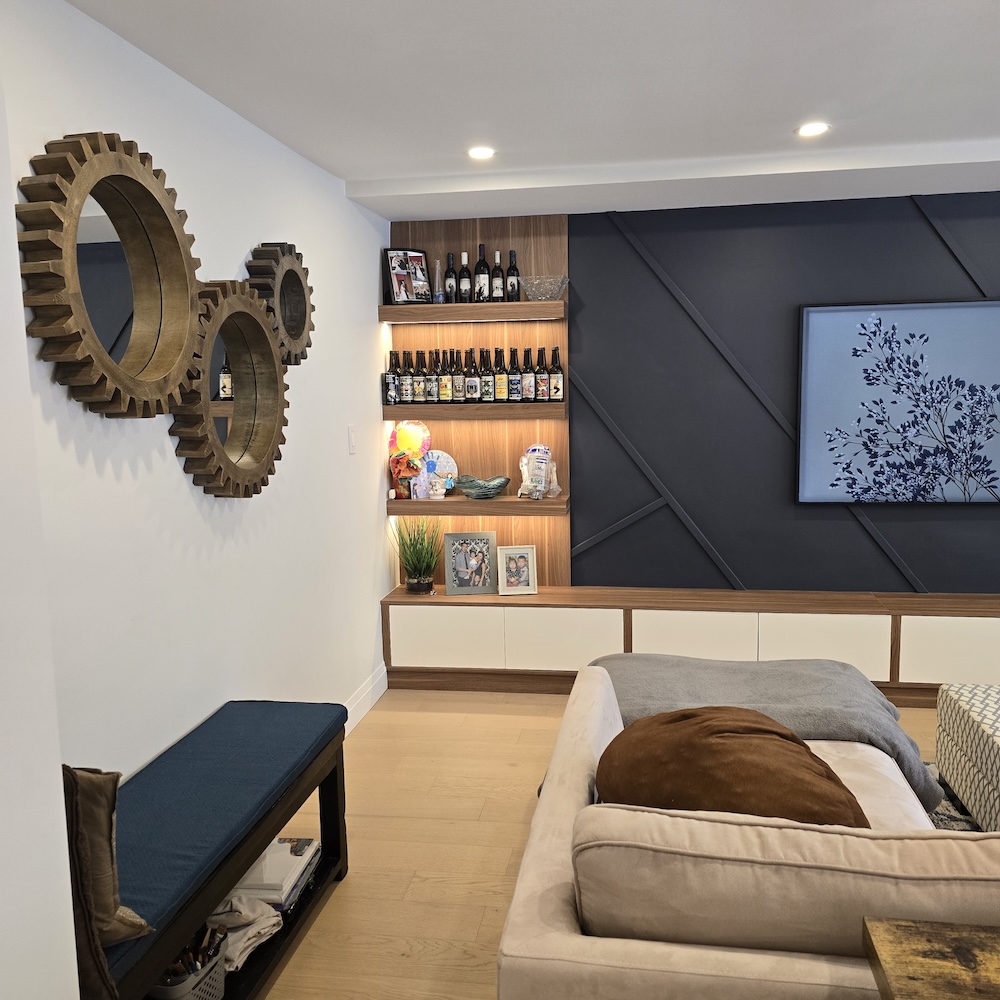
Key Takeaways
- Luxury renovation costs in Toronto range from $250–$400+ per square foot for full interior remodels to $350–$600+ for major structural work, with whole-home transformations reaching $400,000–$1M+.
- Plan a 10–15% contingency budget on top of core costs like design fees, permits, structural changes, mechanical upgrades, and custom millwork to avoid mid-project delays.
- Permits are non-negotiable in Toronto: unpermitted structural work, additions, or basement conversions can trigger stop-work orders, fines, legal complications, and reduced resale value.
- Expect a realistic timeline of 6–14 months overall: design and permits take 2–4 months, construction runs 4–10 months, and large structural additions take the longest.
- An integrated design-build team — architect, structural engineer, interior designer, and licensed GTA contractor — streamlines coordination, permit approvals, and quality control through the final walkthrough.
Table of Contents
- Introduction
- Step 1: Define Your Vision and Long-Term Goals
- Step 2: Establish a Realistic Luxury Renovation Budget
- Step 3: Understand Toronto Zoning and Permit Requirements
- Step 4: Assemble the Right Design and Renovation Team
- Step 5: Develop a Detailed Architectural Plan
- Step 6: Select Premium Materials and Finishes
- Step 7: Integrate Smart Home Technology
- Step 8: Create a Construction Timeline
- Step 9: Prepare for the Renovation Phase
- Step 10: Focus on Quality Control and Final Walkthrough
- Common Mistakes to Avoid in High-End Renovations
- Why 905 Reno Is the Right Partner for Luxury Renovations
- Conclusion
Introduction
Planning a high-end home renovation in Toronto requires far more than selecting luxury finishes. It demands strategic planning, professional coordination, strict compliance with municipal regulations, and expert craftsmanship. In a competitive and highly regulated market like Toronto and the GTA, premium renovations must balance aesthetics, structure, function, and long-term value.
Whether you’re modernizing a heritage property, expanding your home with a second-storey addition, or redesigning your entire interior layout, this step-by-step guide explains how to plan a successful luxury renovation from start to finish.
Step 1: Define Your Vision and Long-Term Goals
Clarify Your Objectives
Before speaking with contractors or designers, define:
- Are you renovating for resale or long-term living?
- Do you need more space, better layout, or upgraded finishes?
- Are you adding square footage or redesigning existing rooms?
- What level of luxury are you targeting?
Clear goals prevent scope creep and unnecessary expenses.
Consider Lifestyle Needs
High-end renovations should reflect:
- Family size
- Work-from-home needs
- Entertaining habits
- Future resale plans
- Aging-in-place considerations
Luxury is not just appearance—it’s functionality tailored to your life.
Step 2: Establish a Realistic Luxury Renovation Budget
Understand Toronto’s High-End Pricing
Luxury renovations in Toronto typically range:
- Full interior remodel: $250–$400+ per sq. ft.
- Major structural renovation: $350–$600+ per sq. ft.
- Whole-home luxury transformation: $400,000 – $1M+
Budget for These Core Categories
- Design and architectural fees
- Permits and inspections
- Structural modifications
- Mechanical upgrades (HVAC, plumbing, electrical)
- Custom cabinetry and millwork
- Premium flooring and tile
- Smart home systems
- Contingency (10–15%)
High-end projects require thorough financial planning to avoid delays.
Step 3: Understand Toronto Zoning and Permit Requirements
Why Permits Are Critical
Toronto has strict regulations for:
- Structural changes
- Additions and extensions
- Basement conversions
- Electrical and plumbing upgrades
Failure to secure permits can result in:
- Stop-work orders
- Fines
- Legal complications
- Reduced resale value
Work With Professionals Who Handle Permits
A qualified contractor manages:
- Zoning reviews
- Building permit applications
- Committee of Adjustment (if needed)
- Inspection scheduling
This ensures full compliance with Toronto Building Code standards.
Step 4: Assemble the Right Design and Renovation Team
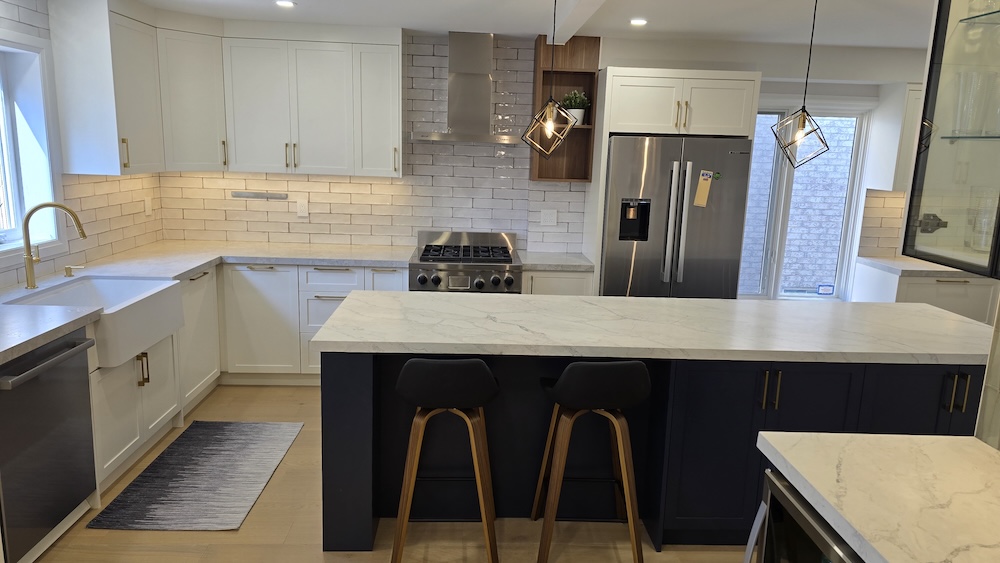
Choose an Experienced Contractor
High-end renovations require:
- Licensed and insured professionals
- Proven portfolio of luxury work
- Strong project management
- Clear communication
Coordinate With Designers and Engineers
Luxury projects often require:
- Architectural drawings
- Structural engineering
- Interior design planning
- HVAC and mechanical design
905 Reno provides integrated design-build services to streamline coordination.
Step 5: Develop a Detailed Architectural Plan
Space Planning and Flow
Luxury design focuses on:
- Open-concept layouts
- Seamless transitions
- Maximized natural light
- Thoughtful room zoning
Structural Evaluation
Older Toronto homes may require:
- Foundation reinforcement
- Load-bearing wall removal
- Roof restructuring
- Insulation upgrades
Proper planning avoids expensive surprises during construction.
Step 6: Select Premium Materials and Finishes
Invest in Quality Over Quantity
High-end renovations emphasize:
- Natural stone countertops
- Engineered hardwood flooring
- Custom millwork
- Designer fixtures
- High-performance windows
Balance Aesthetics With Durability
Toronto’s climate demands:
- Moisture-resistant materials
- Energy-efficient systems
- Long-lasting finishes
Luxury should withstand wear and seasonal conditions.
Step 7: Integrate Smart Home Technology
Modern Luxury Includes Automation
Smart upgrades often include:
- Automated lighting systems
- Climate control zoning
- Voice-activated systems
- Security and camera integration
- Motorized blinds
- Built-in audio systems
Plan Wiring Early
Smart technology requires early-stage planning to ensure seamless integration.
Step 8: Create a Construction Timeline
Typical Timeline for High-End Renovations
- Design & Permits: 2–4 months
- Construction: 4–10 months
- Large structural additions: 6–14 months
Plan for Contingencies
Weather delays, inspections, and material lead times may impact schedules.
Clear milestone tracking keeps projects on time.
Step 9: Prepare for the Renovation Phase
Living Arrangements
Luxury renovations often require:
- Temporary relocation
- Partial home shutdown
- Safety precautions
Protect Existing Spaces
Professional contractors implement:
- Dust containment systems
- Floor protection
- Noise mitigation strategies
Step 10: Focus on Quality Control and Final Walkthrough
Detailed Inspections
Before project completion:
- Review finishes
- Check mechanical systems
- Test smart technology
- Confirm permit approvals
Final Documentation
Ensure you receive:
- Warranty information
- Inspection certificates
- Permit closures
- Maintenance guidelines
Attention to detail distinguishes high-end projects from standard renovations.
Common Mistakes to Avoid in High-End Renovations
- Underestimating the budget
- Choosing materials before layout is finalized
- Hiring based solely on price
- Skipping permit requirements
- Ignoring structural limitations
- Overdesigning without function
- Poor communication planning
Luxury renovations require discipline, planning, and professional oversight.
Why 905 Reno Is the Right Partner for Luxury Renovations

905 Reno specializes in high-end home renovations in Toronto and the GTA, offering:
- Full planning and design services
- Architectural and engineering coordination
- Permit management
- Custom cabinetry and millwork
- Structural modifications
- Smart technology integration
- High-quality materials
- Dedicated project management
- Transparent communication and pricing
Their team combines technical precision with premium craftsmanship to deliver elegant, long-lasting results.
Conclusion
Planning a high-end home renovation in Toronto is a significant investment that requires strategic preparation, professional coordination, and careful budgeting. From defining your vision and securing permits to selecting premium materials and integrating smart technology, each step plays a vital role in ensuring a successful outcome.
By partnering with an experienced renovation contractor like 905 Reno, homeowners can confidently transform their properties into modern, functional, and luxurious living spaces built to stand the test of time.
Frequently asked questions
How much does a high-end home renovation cost in Toronto?
In Toronto, full interior luxury remodels typically run $250–$400+ per square foot, major structural renovations $350–$600+ per square foot, and whole-home luxury transformations range from $400,000 to over $1 million. Budget an additional 10–15% contingency for surprises, especially in older homes.
Do I need a permit for a major renovation in Toronto?
Yes. Toronto requires permits for structural changes, additions and extensions, basement conversions, and electrical or plumbing upgrades. Skipping permits risks stop-work orders, fines, and reduced resale value, so a design-build contractor like 905 Reno manages zoning reviews, permit applications, Committee of Adjustment submissions, and inspection scheduling for you.
How long does a high-end renovation take in Toronto?
Plan on roughly 6–14 months from start to finish. Design and permits typically take 2–4 months, construction runs 4–10 months, and large structural additions can reach 14 months. Weather delays, inspections, and material lead times can extend schedules, so build clear milestone tracking into your plan.
What materials define a high-end renovation in Toronto?
Natural stone countertops, engineered hardwood flooring, custom millwork, designer fixtures, and high-performance windows are the hallmarks. Toronto’s climate also demands moisture-resistant materials, energy-efficient systems, and long-lasting finishes — and finalize your layout before selecting materials, since choosing finishes too early is one of the most common costly mistakes.
How do I prepare my home for a major renovation?
Luxury renovations often require temporary relocation or a partial home shutdown, so plan living arrangements early. Professional contractors protect the rest of the house with dust containment, floor protection, and noise mitigation. Before completion, review finishes, test smart systems, confirm permit closures, and collect warranty and inspection documentation.