
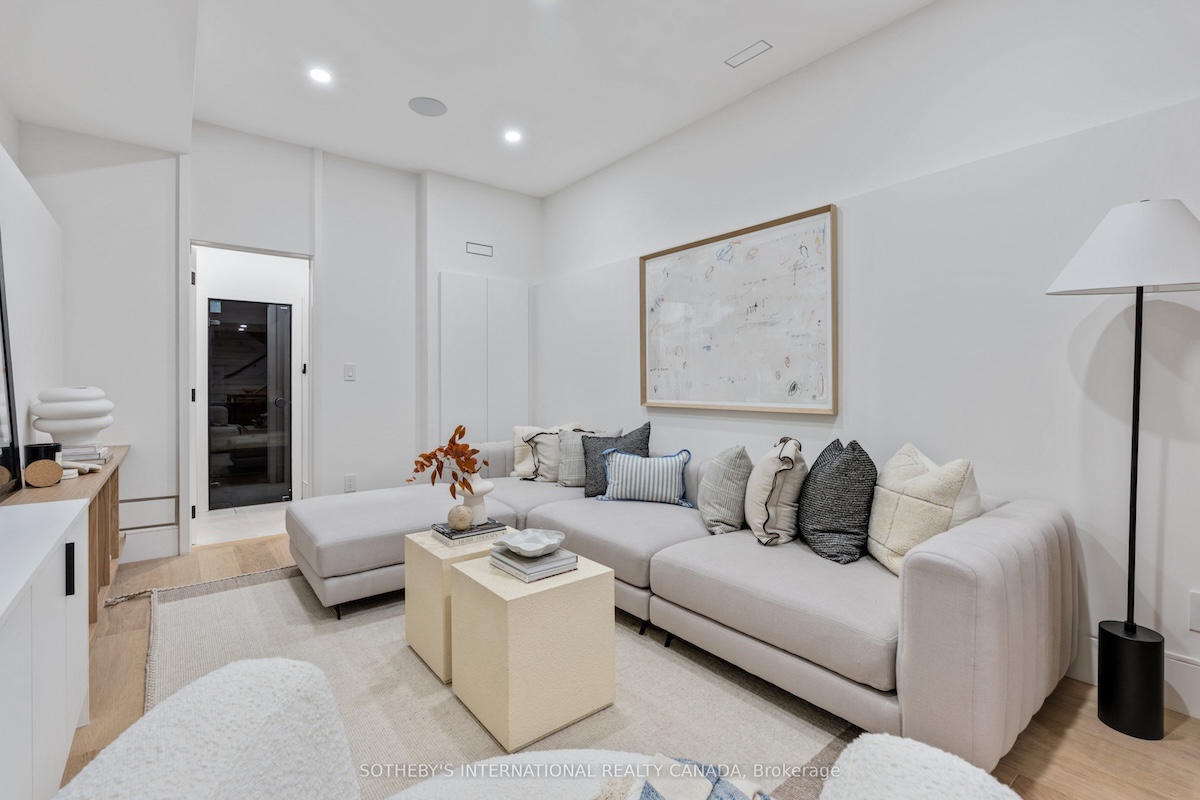
A legal basement renovation in Toronto and the GTA costs $85,000 to $180,000+ in 2026. Where a project lands inside that range depends on the size of the basement, whether a separate entrance has to be built, and how much waterproofing or structural repair the space needs first.
The heaviest line items are the suite kitchen at $12,000 – $35,000+, separate entrance construction at $12,000 – $30,000+, plumbing and bathroom work at $10,000 – $25,000, and waterproofing or structural repairs at $5,000 – $40,000 — the widest and least predictable band in the entire project. A completed legal suite rents for $1,500–$2,500+ a month in the GTA and can raise the home’s value by 15%–25%.
Key Takeaways
- A legal basement renovation in Toronto and the GTA costs $85,000–$180,000+ in 2026, depending on size, upgrades, and structural needs.
- The biggest line items are the kitchen ($12,000–$35,000+), separate entrance construction ($12,000–$30,000+), plumbing and bathroom work ($10,000–$25,000), and waterproofing or structural repairs ($5,000–$40,000).
- Legal basement apartments generate $1,500–$2,500+ in monthly rent in the GTA — $18,000–$30,000+ per year — and can boost home value by 15%–25%.
- Expect a 10–20+ week timeline, with planning and permits alone taking 4–12 weeks before framing, rough-ins, finishes, and final inspections begin.
- Since January 1, 2025, permit applications are reviewed under the 2024 Ontario Building Code, so drawings prepared under the old 2012 code must be updated first.
Table of Contents
- Introduction
- What Is a Legal Basement in 2026?
- Why More Homeowners Are Creating Legal Basements
- Factors That Affect Legal Basement Renovation Cost
— Basement Size
— Plumbing
— Kitchen
— HVAC
— Electrical
— Egress & Fire Safety
— Soundproofing
— Finishes
— Structural Work
— Exterior Conditions - 2026 Cost Breakdown
- What Moves a Legal Basement From $85,000 to $180,000+
- Hidden or Overlooked Costs
- Where Legal Basement Budgets Are Most Often Wasted
- Permits, Drawings & Inspections
- What a Legal Basement Quote Should Include
- Timeline for a Legal Basement in 2026
- What Order Does a Legal Basement Renovation Happen In?
- Legal Basement Kitchens
- Legal Basement Bathrooms
- Importance of Planning & Design
- How Legal Basements Increase Property Value
- Why Choose 905 Reno
- Final Thoughts
Introduction
Legal basement renovations remain one of the most sought-after upgrades for homes in Toronto and the GTA in 2026. With high housing costs, strong rental demand, and municipalities actively encouraging safe secondary suites, homeowners are increasingly turning their basements into fully legal, income-generating, high-quality living spaces.
But before starting any project, one question always comes first:
“What is the cost of a legal basement renovation in 2026?”
For Toronto and the GTA, the answer is $85,000 – $180,000+. A modest basement with an existing separate entrance, a dry foundation, and standard finishes sits near the bottom of that band. A larger suite that needs a new side or rear entrance, waterproofing or underpinning, a panel upgrade, and upgraded finishes moves toward the top of it. The $5,000 – $40,000 waterproofing and structural line is usually what decides which end you are on, and it is the one line nobody can price with confidence until the walls and floor are opened.
This comprehensive guide—built for 905 Reno, a leading renovation contractor in the GTA—dives into pricing, design, permits, building codes, timelines, and everything required to create a legal, beautiful, and profitable basement suite.
What Is a Legal Basement in 2026?
A legal basement (also called a legal secondary suite) is a basement that complies fully with:
- 2024 Ontario Building Code (OBC)
- Fire Code
- Electrical regulations
- Municipal zoning bylaws
- Approved inspections
A legal basement in 2026 requires:
- Proper ceiling height
- Separate entrance (or approved shared access)
- Fully functional kitchen
- 3-piece bathroom
- Proper HVAC
- Safe electrical systems
- Egress windows
- Fire separation
- Smoke & CO alarms
- Approved permits and occupancy certificate
Anything missing from the list makes the basement non-compliant and illegal.
Note that since January 1, 2025, all new permit applications in Ontario are reviewed under the 2024 Ontario Building Code, which harmonized provincial requirements with the National Building Code of Canada. If your basement drawings were prepared under the old 2012 code, they will need to be updated before submission.
Why More Homeowners Are Creating Legal Basements
1. Rental Income
Legal basement apartments generate $1,500–$2,500+ monthly in the GTA. Financing a suite has also become more practical: since January 15, 2025, homeowners have been able to refinance with insured mortgages up to 90% of their home’s value—amortized over up to 30 years—specifically to fund secondary suite construction. (The federal Canada Secondary Suite Loan Program that was announced in 2024 was ultimately cancelled, making this refinancing route the main government-backed option in 2026.)
2. Multigenerational Living
Families create in-law suites for parents, adult children, or caregivers.
3. Increased Property Value
A legal secondary suite can boost home value by 15%–25%.
4. Cost-Effective Home Addition
A legal basement functions like a full home extension without changing the footprint of the house.
5. Future Flexibility
Use as a rental, guest suite, home office, nanny suite, or private living space. If renting is the goal, our guide to turning your basement into a rental unit covers the full conversion process.
Factors That Affect Legal Basement Renovation Cost in 2026
Basement Size and Layout
Larger basements mean:
- More framing
- More drywall
- Larger electrical network
- Bigger kitchens
- More flooring
- More labour and materials
Plumbing & Bathroom Complexity
Costs rise for:
- Concrete cutting
- Drain relocation
- Sewer line upgrades
- Backwater valves
- Sump pump installation
Kitchen Installation Requirements
Every legal suite must include a full kitchen, impacting budget:
- Cabinetry
- Countertops
- Plumbing
- Appliances
- Backsplash
- Hood ventilation
HVAC & Mechanical Systems
A legal suite requires proper:
- Ventilation
- Heating
- Air circulation
- Fresh air exchange
- Dedicated zone controls
Electrical Upgrades
Legal basements must include:
- GFCIs
- Arc-fault breakers
- Hardwired smoke alarms
- CO detectors
- Dedicated circuits
- Panel upgrades
Egress Windows & Fire Safety
A major cost category includes:
- Enlarged windows
- Fire-rated drywall
- Fire separation
- Fire-rated doors
Insulation & Soundproofing
Most homeowners choose:
- Roxul Safe’n’Sound
- Resilient channels
- Double drywall
- Acoustic sealants
Material & Finish Quality
High-end finishes drive up the budget:
- Quartz countertops
- Custom cabinetry
- Sleek pot lights
- Designer flooring
- High-quality tiles
Structural Modifications
Some basements require:
- Underpinning
- Post removal
- Beam installation
- Waterproofing
- Foundation repair
Exterior Site Conditions
Creating or upgrading a basement entrance may include:
- Excavation
- Concrete pads
- Stairs
- Retaining walls
- Walkout construction
2026 Cost Breakdown: How Much Does a Legal Basement Renovation Cost?
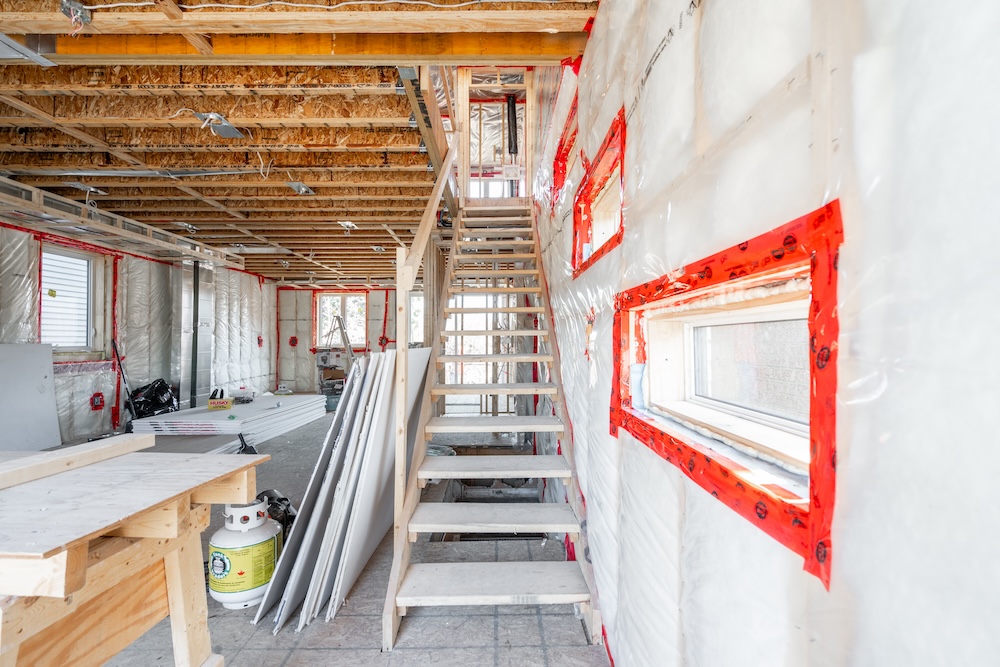
Overall Cost in 2026:
$85,000 – $180,000+
Depending on size, upgrades, and structural needs.
Architectural Drawings & Permits
$5,000 – $9,500
Framing & Insulation
$8,000 – $20,000
Electrical Installation
$6,000 – $18,000
Plumbing & Bathroom Construction
$10,000 – $25,000
HVAC & Mechanical Systems
$5,000 – $15,000
Flooring
$4,000 – $12,000
Kitchen Installation
$12,000 – $35,000+
Drywall, Taping & Painting
$6,000 – $15,000
Fire Safety & Code Compliance
$3,000 – $10,000
Separate Entrance Construction
$12,000 – $30,000+
Waterproofing / Structural Repairs
$5,000 – $40,000
Moisture is the biggest wildcard in this range — it’s why basement waterproofing should come before any renovation work starts.
Finishing Touches
$3,000 – $10,000
What Moves a Legal Basement From $85,000 to $180,000+
That range is wide because two basements of the same square footage can require completely different amounts of work before a single wall is framed. The line items below are the ones that actually decide where your project lands.
What keeps a project near the lower end
- The ceiling height already complies. If you do not have to lower the floor or underpin the foundation to gain headroom, the single most expensive structural intervention disappears from the budget.
- The basement is dry and stays dry. No active seepage, no efflorescence, no history of water on the slab — which keeps the $5,000 – $40,000 waterproofing and structural line near its floor rather than its ceiling.
- A separate entrance already exists. A walkout, an existing side door, or an approved shared access avoids the $12,000 – $30,000+ excavation, retaining wall, stair, and drainage package.
- The drain stack is where the bathroom is going. Building the bathroom and kitchen near existing drainage avoids cutting and re-trenching the concrete slab.
- The electrical service has capacity. An adequate panel means new circuits, not a service upgrade.
- Finishes are chosen for durability rather than display. A rental suite does not need the same specification as an owner-occupied main floor.
What drives a project toward the upper end
- Underpinning or bench footing to gain ceiling height. This is excavation, engineering, and concrete work under a standing house, and it reshapes the entire budget and schedule around itself.
- Building a separate entrance from scratch. Excavation, a concrete stairwell, retaining walls, drainage, a new door opening cut into the foundation, and often a zoning review — all inside the $12,000 – $30,000+ line.
- Moving plumbing away from the existing stack. Every metre of slab that has to be cut, trenched, re-piped, and re-poured is labour that produces nothing visible.
- Water found during demolition. Interior or exterior waterproofing, a sump pump, a backwater valve, or foundation crack repair is why that line reaches $40,000 at its top.
- A service or panel upgrade. A second full dwelling unit is a meaningful load, and older GTA homes often cannot carry it without upgrading.
- A second bathroom or a larger kitchen. A two-bedroom suite with a full kitchen pushes toward the top of the $12,000 – $35,000+ kitchen range and can add a second plumbing group.
- Serious soundproofing. Resilient channels and double drywall between units cost more than standard assemblies — and they are the difference between a tenant who renews and one who does not.
Read the pattern and it is consistent: finishing work is predictable, and everything involving the foundation, the slab, the drainage, or the electrical service is not. Before you trust any number, have the basement inspected for moisture, ceiling height, drain locations, and panel capacity. Those four findings move a legal basement budget more than every finish decision combined.
Hidden or Overlooked Costs in 2026
Homeowners rarely account for:
- 200-amp electrical panel upgrade
- Concrete re-leveling
- Mold or moisture remediation
- Additional insulation
- Unexpected plumbing reroutes
- Sump pump or sewage pump
- Engineering revisions requested by inspectors
905 Reno provides transparent pricing to avoid surprise costs.
Where Legal Basement Budgets Are Most Often Wasted
Waste in a basement project almost never looks like an extravagant purchase. It looks like work being done twice, in the wrong order, or before the space was ready for it.
- Finishing before solving moisture. The most expensive mistake available in a basement. Framing, insulation, drywall, and flooring installed over an unresolved water problem get torn out and paid for a second time.
- Starting construction before permit approval. Work built ahead of review frequently has to be opened, altered, or removed to satisfy an inspector, and the schedule stops while the drawings are corrected.
- Using drawings prepared under the old code. Since January 1, 2025, applications are reviewed under the 2024 Ontario Building Code. Submitting 2012-code drawings buys a rejection and a redesign fee.
- Designing the layout away from the existing drain stack. A bathroom placed for aesthetic reasons rather than plumbing reasons can add days of concrete cutting to a project that had no need for it.
- Skipping soundproofing to save on drywall. Acoustic separation cannot be retrofitted without demolishing the ceiling. It is cheap while the joists are open and expensive forever after.
- Specifying main-floor finishes in a rental suite. Stone counters and designer flooring rarely increase achievable rent, and the money is better spent on the entrance, the soundproofing, and the ventilation a tenant actually notices.
- Hiring trades separately to avoid a contractor’s margin. Legal suites are inspection-driven, and a missed rough-in or a failed inspection costs more in delay and rework than the coordination you were trying not to pay for.
- Treating the occupancy certificate as a formality. A basement that is finished but not certified is not a legal suite. It cannot be advertised as one, and it does not carry the same weight at appraisal or resale.
The single best protection is sequencing: inspect, then design, then permit, then build. Every item above is a version of doing those four steps out of order.
Permits, Drawings & Inspections
A legal basement cannot be built without:
- Architectural drawings
- Structural drawings (if required)
- HVAC design
- Permit submissions
- Plumbing permits
- Electrical permits
- Multiple inspections
- Final occupancy certificate
905 Reno handles the full permit process from start to finish.
What a Legal Basement Quote Should Include—and What It Usually Doesn’t
Two quotes for the same basement can differ by tens of thousands of dollars and both be honest, because they assume different scopes. Compare what is being bought before comparing what is being charged.
A complete quote shows all of this
- Line-item pricing that mirrors the cost breakdown above — drawings and permits, framing and insulation, electrical, plumbing and bathroom, HVAC, flooring, kitchen, drywall, fire safety, entrance, waterproofing, and finishing, each priced separately rather than folded into one figure.
- Who pulls the permits, and whose fee covers them. Permit fees are set by each municipality — in Toronto they are calculated per square metre of the area being built — so the quote should name the responsible party and state whether the fee is included or billed at cost.
- Named allowances with dollar figures. If flooring, tile, or cabinetry is not selected yet, the assumed allowance should be written down so an upgrade later is a known difference, not a surprise.
- A stated assumption about moisture and structure. Because waterproofing and structural repair spans $5,000 – $40,000, the quote should say plainly what condition it assumes and what happens if demolition proves otherwise.
- Drawings prepared under the 2024 Ontario Building Code. Anything referencing the superseded 2012 code will have to be redrawn before submission.
- A milestone payment schedule. Payments tied to completed and inspected stages of work, not to dates on a calendar.
- The inspection sequence and who books it. Legal suites are approved in stages, and a clear quote names every inspection point before the occupancy certificate.
Commonly excluded — confirm before you sign
- Appliances for the suite kitchen, and window coverings.
- Electrical panel or service upgrades discovered after the load calculation.
- Mold, asbestos, or moisture remediation uncovered during demolition.
- Engineering revisions requested by a plan reviewer or inspector.
- Landscaping, grading, and hard surface restoration after entrance excavation.
- Separate metering, and any utility connection charges.
- Upstairs work triggered by the suite, such as fire-rated doors or interconnected alarms on the main floor.
Walk away from a single lump-sum price with no breakdown, from any suggestion that the work can proceed without permits, from a large upfront deposit, and from allowances left as “TBD.” A vague quote is not a cheaper quote — it is a quote that has not told you the real number yet.
Timeline for a Legal Basement in 2026
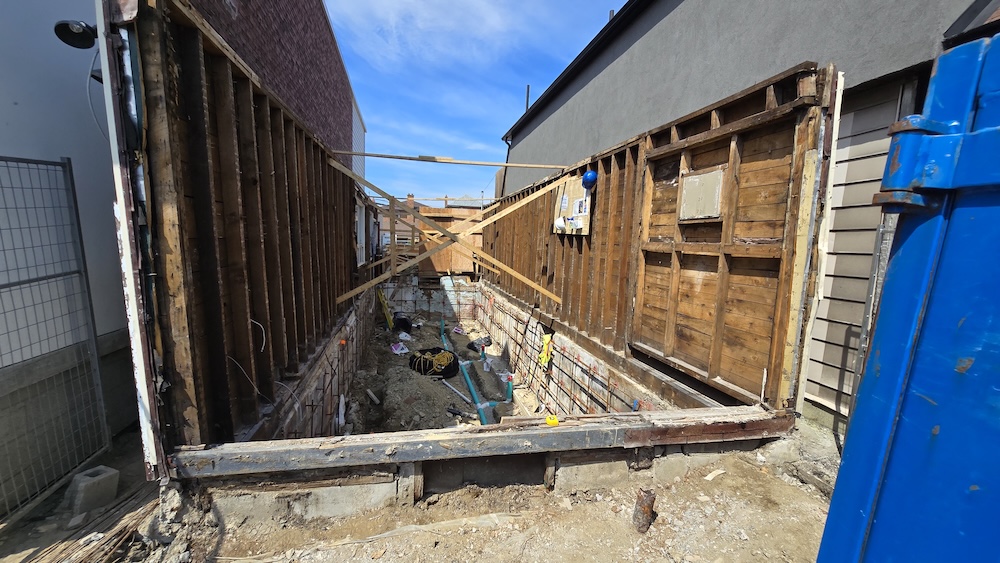
Total Duration: 10–20+ Weeks
Planning & Permits: 4–12 weeks
Framing & Rough-ins: 2–4 weeks
Electrical & Plumbing: 2–3 weeks
Drywall & Insulation: 1–2 weeks
Flooring & Finishes: 1–3 weeks
Final Inspections: 1–2 weeks
What Order Does a Legal Basement Renovation Happen In?
A legal suite is built in a fixed order because each stage has to be inspected before the next one can cover it up. Understanding the sequence explains both the 10–20+ week duration and why late changes are so costly.
- Assessment. Ceiling height, moisture history, drain stack location, panel capacity, and window openings are measured and recorded. Every number that follows depends on what is found here.
- Design and drawings. Architectural, structural, and HVAC drawings are prepared to the 2024 Ontario Building Code, with the layout arranged around egress, fire separation, and the existing plumbing.
- Permit application and review. Building, plumbing, and electrical permits are submitted. This is the longest and least predictable stage, and it is the bulk of the 4–12 week planning window.
- Demolition and site preparation. Existing finishes come out and the true condition of the slab, foundation, and joists becomes visible.
- Structural and exterior work. Underpinning, beam and post changes, waterproofing, and separate entrance excavation happen before anything is enclosed.
- Slab work and underground plumbing. Concrete is cut, drains are run, and the backwater valve or sump is set, then inspected and re-poured.
- Framing and egress windows. Walls, the suite’s separations, and enlarged window openings are framed — and framing inspection follows.
- Rough-in electrical, plumbing, and HVAC. Circuits, supply lines, ductwork, and ventilation are run inside the open walls, then inspected together.
- Insulation, soundproofing, and fire separation. Acoustic batts, resilient channel, and fire-rated assemblies go in — the last moment any of this can be done without demolition.
- Drywall, taping, and painting. The suite is closed in and finished to a paint-ready surface.
- Flooring, kitchen, bathroom, and trim. Cabinetry, counters, tile, vanities, and doors are installed.
- Finals and occupancy. Fixtures, alarms, and hardware are connected, final electrical, plumbing, and building inspections are passed, and the occupancy certificate is issued. Only at this point is the basement legally a suite.
Notice how much of the project is invisible by the end. Roughly half the budget and most of the schedule goes into work that is sealed behind drywall — which is exactly why a quote that looks cheap in the structural, mechanical, and fire safety lines is the one to question hardest.
Legal Basement Kitchens
Every legal unit must have a complete kitchen.
Cost in 2026:
$12,000 – $35,000+
2026 Kitchen Trends
- Quartz counters
- Full-height backsplash
- Matte cabinetry in warm, earthy tones
- Slim or compact appliances
- Under-cabinet LED lighting
- Clean, modern hardware
Legal Basement Bathrooms
Cost in 2026:
$10,000 – $25,000
Popular features include:
- Walk-in shower
- Glass partitions
- Built-in niches
- Luxury tile patterns
- Modern vanities
- Rainfall showerheads
Importance of Planning & Design
Good design prevents:
- Failed inspections
- Permit delays
- Reopening finished walls
- Poor layouts
- Ventilation issues
905 Reno’s design team ensures:
- Optimized space planning
- Code-compliant drawings
- Structural safety
- Beautiful interior design
- Efficient kitchen & bathroom layouts
How Legal Basements Increase Property Value
1. Higher Appraisals
Legal suites increase value by 15%–25%.
2. Rental Income
A basement suite can produce $18,000–$30,000+ per year.
3. Easier to Sell
More buyers prefer homes with approved secondary units.
4. Added Living Space
You gain an entire additional living unit without building upward or outward.
Why Choose 905 Reno

905 Reno specializes in:
- Planning & Design
- Home Additions
- Home Extensions
- Custom Home Renovation
- Legal Basement Renovations
- Kitchen Renovation
- Bathroom Renovation
- High-End Remodeling
Reasons Homeowners Trust 905 Reno
- Full permit support
- Transparent pricing
- High-quality craftsmanship
- Code-compliant construction
- Project management
- Designer finishes
- Serving Toronto + GTA
- Warranty on all work
Final Thoughts
A legal basement renovation in 2026 is one of the smartest, most profitable investments for homeowners across Toronto and the GTA. With high real estate prices, sustained rental demand, and friendlier financing than during the rate spikes of 2023–2024, a legal basement pays for itself quickly.
905 Reno is equipped to guide you through every phase—planning, design, permits, construction, and final inspection—ensuring your suite is legally approved, beautifully finished, and built to last.
Frequently asked questions
How much does a legal basement renovation cost in 2026?
A legal basement renovation in Toronto and the GTA costs $85,000–$180,000+ in 2026, depending on size, upgrades, and structural needs. Major components include the kitchen ($12,000–$35,000+), separate entrance construction ($12,000–$30,000+), plumbing and bathroom work ($10,000–$25,000), electrical ($6,000–$18,000), and waterproofing or structural repairs ($5,000–$40,000).
What is required for a basement to be legal in Ontario in 2026?
A legal basement must comply with the 2024 Ontario Building Code, Fire Code, electrical regulations, and municipal zoning bylaws. Requirements include proper ceiling height, a separate entrance, a fully functional kitchen, a 3-piece bathroom, egress windows, fire separation, smoke and CO alarms, approved permits, and a final occupancy certificate.
How long does a legal basement renovation take?
Plan for 10–20+ weeks in total. Planning and permits take 4–12 weeks, framing and rough-ins 2–4 weeks, electrical and plumbing 2–3 weeks, drywall and insulation 1–2 weeks, flooring and finishes 1–3 weeks, and final inspections 1–2 weeks before the occupancy certificate is issued.
How much rental income does a legal basement generate in the GTA?
Legal basement apartments generate $1,500–$2,500+ monthly in the GTA — $18,000–$30,000+ per year. A legal secondary suite can also boost your home’s value by 15%–25%, and homes with approved units are easier to sell, making the renovation one of the most profitable investments available to homeowners.
How can I finance a legal basement suite in 2026?
Since January 15, 2025, homeowners have been able to refinance with insured mortgages up to 90% of their home’s value, amortized over up to 30 years, specifically to fund secondary suite construction. With the federal Canada Secondary Suite Loan Program cancelled, this refinancing route is the main government-backed option in 2026.