
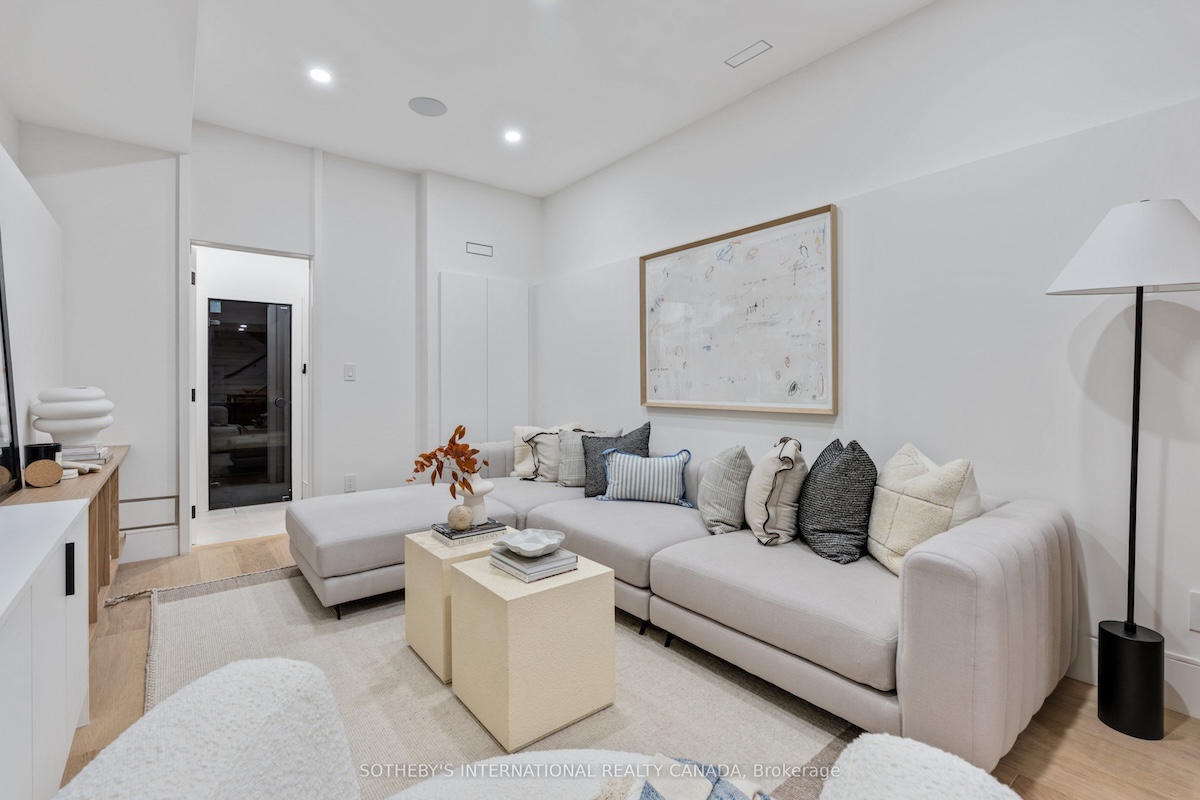
Every year, GTA homeowners spend $50,000, $80,000, or more on a beautiful basement renovation — only to watch water seep through the foundation six months later and destroy the flooring, drywall, and cabinetry they just paid for. It’s one of the most expensive and preventable renovation disasters we see, and it almost always comes down to skipping one critical step: waterproofing the basement before finishing it.
If you’re planning a basement renovation in Toronto or anywhere in the GTA, basement waterproofing should come before any renovation work begins — not after. At 905 Reno, we assess every basement for moisture issues before recommending a renovation plan, because no amount of beautiful tile or luxury vinyl plank matters if the foundation underneath is letting water in.
This guide explains why waterproofing comes first, what it involves, what it costs, and how Toronto’s rebate programs can help offset the investment.
Key Takeaways
- Waterproof before you finish: a single basement flood can cause $20,000–$30,000 in damage to finished flooring, drywall, and cabinetry — waterproofing first is always the cheaper option.
- Toronto’s clay-heavy soil holds water against foundations across Scarborough, Etobicoke, North York, and the 905, forcing moisture through cracks during spring thaw and heavy rainstorms.
- Interior waterproofing costs $8,000–$18,000 for a full perimeter in the GTA, while exterior systems run $15,000–$35,000+ and deliver the most comprehensive protection at 25+ years.
- Toronto’s Basement Flooding Protection Subsidy Program offers up to $3,400 for sump pumps, backwater valves, and pipe disconnection, with similar programs in Peel, Halton, and Durham Regions.
- Watch for warning signs like efflorescence, musty smells, foundation cracks, and a constantly running sump pump — get a moisture assessment before any GTA basement renovation begins.
Table of Contents
- Why Waterproofing Must Come Before Any Basement Renovation
- Warning Signs Your Basement Has a Moisture Problem
- Interior vs. Exterior Waterproofing — What’s the Difference?
- What Professional Basement Waterproofing Actually Includes
- What Basement Waterproofing Costs in Toronto
- Toronto Rebates and Subsidies for Waterproofing
- Frequently Asked Questions
- Protect Your Investment — Waterproof Before You Renovate
Why Basement Waterproofing Should Come Before Any Renovation
The logic is simple: if water can get into your basement now, it will still get in after you’ve installed $60,000 worth of finishes — except now it will destroy those finishes too. Drywall wicks water upward. Laminate and engineered flooring buckle. Mold grows behind insulation where you can’t see it. Within months, you’re tearing out work you just paid for and starting over.
Toronto’s clay-heavy soil makes this worse. Unlike sandy soil that drains quickly, the dense clay common across Scarborough, Etobicoke, North York, and the 905 region holds water against your foundation like a sponge. During spring thaw or after a heavy rainstorm, hydrostatic pressure forces water through any crack, joint, or weak point in your foundation wall.
Waterproofing first means your renovation is protected from day one. It’s not an optional upgrade — for any serious basement finishing project in the GTA, it’s the foundation the entire renovation sits on.
Warning Signs Your Basement Has a Moisture Problem
Some water issues are obvious — a puddle on the floor after rain. Others are subtle and easy to miss until you open up the walls during a renovation and find mold, rot, or saturated insulation. Here’s what to watch for:
- White powdery residue on walls (efflorescence) — mineral deposits left behind as water evaporates through concrete
- Musty smell that won’t go away — indicates active mold or mildew behind surfaces
- Damp or wet spots on the floor or lower walls — especially after rain or during spring thaw
- Cracks in the foundation wall — vertical, horizontal, or stair-step patterns in block foundations
- Water stains or tide marks — evidence of previous flooding
- Peeling paint or bubbling at the base of walls — moisture pushing through from behind
- Sump pump running constantly — indicates high groundwater pressure
If you see any of these signs, don’t start a renovation until a waterproofing assessment has been completed. At 905 Reno, we check for moisture issues during every basement consultation — it’s part of our standard process before we ever talk about finishes.
Interior vs. Exterior Waterproofing — What’s the Difference?
There are two main approaches, and each serves a different purpose. The right choice depends on your specific foundation conditions, budget, and property layout.
| Factor | Interior Waterproofing | Exterior Waterproofing |
|---|---|---|
| How it works | Manages water that enters by redirecting it to a sump pump via interior drainage | Stops water from reaching the foundation by sealing the exterior wall |
| Typical cost (GTA) | $70–$180 per linear foot | $150–$300+ per linear foot |
| Disruption | Moderate — work is done inside the basement | High — requires excavation around the foundation |
| Best for | Finished basements, properties where exterior access is limited | Persistent water pressure, full foundation protection |
| Lifespan | 10–25 years (depending on system quality) | 25+ years with proper membrane and drainage |
For most GTA basement renovation projects, we recommend at minimum an interior drainage system with a reliable sump pump. For homes with known water issues, active foundation cracks, or high water tables, exterior waterproofing provides the most comprehensive long-term protection.
What Professional Basement Waterproofing Actually Includes
Professional waterproofing is much more than painting Drylok on a wall. A proper system addresses the source of water, the path it takes, and where it goes — before your finishes go in.
Interior System Components
- Perimeter drainage channel cut into the basement floor slab
- Weeping tile (perforated pipe) installed below the floor to collect water
- Dimpled drainage membrane applied to foundation walls to channel water downward
- Sump pit and pump installed to discharge collected water away from the home
- Battery backup sump pump (critical for power outages during storms)
- Crack injection (epoxy or polyurethane) for active wall cracks
Exterior System Components
- Excavation down to the foundation footing (6–9+ feet deep)
- Foundation wall cleaning, crack repair, and parging
- Rubber or bituminous waterproof membrane applied to exterior wall
- Dimpled drainage board over the membrane for protection
- New weeping tile installed at the footing level, connected to storm drainage or sump
- Backfill with clear stone for drainage, then topsoil and landscape restoration
At 905 Reno, we coordinate waterproofing work as part of the overall basement renovation project plan — so the waterproofing, framing, plumbing, and finishing happen in the correct sequence without delays between trades. Our comprehensive guide to renovating legal basements in Toronto walks through that sequence step by step.
What Basement Waterproofing Costs in Toronto
| Service | Typical Cost (GTA) |
|---|---|
| Interior waterproofing (full perimeter) | $8,000–$18,000 |
| Exterior waterproofing (full perimeter) | $15,000–$35,000+ |
| Foundation crack repair (epoxy/polyurethane injection) | $450–$850 per crack |
| Sump pump installation | $500–$2,500 |
| Battery backup sump system | $800–$1,500 |
| Backwater valve installation | $1,500–$3,500 |
Compare these numbers to the cost of repairing a flooded finished basement: replacement flooring ($5,000–$12,000), new drywall and insulation ($4,000–$10,000), mold remediation ($3,000–$8,000+), and damaged fixtures and cabinetry. A single flood can easily cost $20,000–$30,000 in damage to a finished space. Waterproofing first is the cheaper option — every time. To see how these numbers fit into a complete project budget, review what a legal basement renovation costs in 2026.
Toronto Rebates and Subsidies for Waterproofing
The City of Toronto’s Basement Flooding Protection Subsidy Program helps homeowners offset costs for flood-prevention installations. Eligible upgrades include sump pump installation, backwater valve installation, and pipe severance/disconnection. Homeowners can receive up to $3,400 in combined rebates.
Other GTA municipalities — including Peel Region, Halton Region, and Durham Region — offer similar programs. 905 Reno helps clients understand which rebates apply and provides the documentation needed to file claims after the work is completed.
For homeowners who are also adding a legal basement apartment or an income-generating rental unit, waterproofing is both a code requirement and a financial safeguard for your tenants and your investment.
Frequently Asked Questions
Can I finish my basement without waterproofing it first?
Technically yes, but we strongly advise against it. Finishing over a foundation that has active or potential water issues is a recipe for mold, material damage, and costly teardowns within a few years. Waterproofing is always cheaper than repairing a flooded finished basement.
How do I know if my basement needs waterproofing before a renovation?
Look for efflorescence (white powder on concrete), musty smells, visible cracks, damp spots after rain, or a sump pump that runs frequently. A professional assessment will identify issues that aren’t visible on the surface — including problems behind existing finishes.
Is interior or exterior waterproofing better?
Exterior waterproofing is the most comprehensive solution because it stops water before it reaches the foundation. Interior waterproofing manages water that enters and redirects it away. For many renovation projects, interior systems are more practical and less disruptive. Your contractor should recommend the approach based on your specific conditions.
Does the City of Toronto offer rebates for basement waterproofing?
Yes — the Basement Flooding Protection Subsidy Program offers up to $3,400 for qualifying installations including sump pumps, backwater valves, and pipe disconnection. Other GTA municipalities offer similar programs.
How long does basement waterproofing last?
Interior systems typically last 10–25 years depending on installation quality and maintenance. Exterior waterproofing with proper membrane and drainage can last 25+ years. Quality of materials and workmanship are the biggest factors in longevity.
Should I waterproof before or after underpinning?
Waterproofing and underpinning are often done together. If you’re lowering the basement floor to gain ceiling height, the exterior excavation for underpinning creates an ideal opportunity to apply exterior waterproofing at the same time — saving significant cost on labour and excavation.
Protect Your Investment — Waterproof Before You Renovate
Don’t spend tens of thousands of dollars finishing a basement that isn’t protected from water. At 905 Reno, every basement project starts with a moisture assessment — because a renovation is only as good as the foundation it sits on.
Whether you’re planning a luxury basement renovation, a rental unit build-out, or a simple family rec room, we’ll make sure the waterproofing is right before the finishes go in.
Contact 905 Reno for a free basement consultation — and let’s make sure your renovation is built on solid, dry ground.