
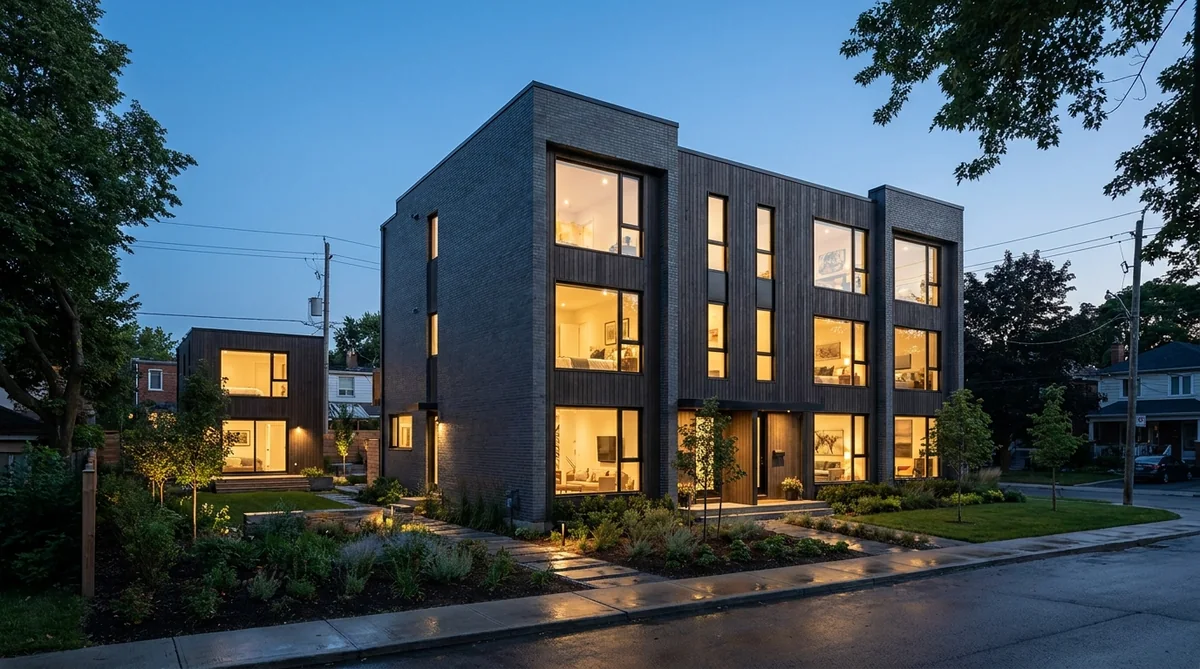
If you have read about the Toronto 4+1 and your next question is “what does it actually cost?”, here is the short answer: converting an existing house into a fourplex and adding a backyard suite typically runs about $1.8M–$2.2M all-in, while building the whole thing new from a teardown lands closer to $3.5M–$3.8M. Those are big numbers — but the real cost to build a fourplex (and the “+1”) is not what it looks like on the surface, because the city now waives most of the fees and the fifth unit unlocks financing that changes the math entirely.
This guide lays out the real 2026 numbers for a 4+1 (a fourplex plus a garden or laneway suite on one Toronto lot): the two budgets, the roughly $0 in development charges, the federal GST refund, and how CMHC’s MLI Select financing lets a homeowner-investor build this with far less cash than a conventional mortgage would demand. If you are still fuzzy on what a 4+1 is, start with our plain-English explainer on the Toronto 4+1, then come back for the money.
A quick, honest note up front: the figures below are planning estimates to help you think, not a quote or financial advice. Every lot, lender, and build is different — treat these as a starting framework, then get real numbers for your specific property.
Key takeaways
- Conversion: ~$1.8M–$2.2M all-in to convert a solid house into 3–4 units and add a backyard suite.
- New build: ~$3.5M–$3.8M all-in for a teardown plus a new fourplex and garden suite.
- A 4+1 pays roughly $0 in development charges — that is $200,000–$250,000+ in city fees that simply do not apply.
- All-long-term-rental projects can claim a 100% federal GST rebate, and the build keeps normal residential property taxes (no commercial rate).
- The fifth unit unlocks CMHC MLI Select, which finances a large share of cost over up to 50 years — the reason this pencils out for a homeowner.
Table of contents
- The cost to build a fourplex: two budgets
- The fee waiver: why a 4+1 pays ~$0 in development charges
- MLI Select: the financing that makes it work
- The income side: what a 4+1 earns
- The fine print and real risks
- So is a 4+1 worth it?
- Frequently asked questions
The cost to build a fourplex: the two budgets
There are two ways to reach a finished 4+1, and they cost very different amounts. Which one fits you depends mostly on whether you already own a solid house or are buying a lot to redevelop.
Option A — build everything new (the professional play)
| What you spend | Roughly |
|---|---|
| Buy an old house to tear down (west-end; some areas $600K–$775K) | $1.0M–$1.2M |
| Tear it down | ~$25K |
| Build the new fourplex (~4,500 sq ft at $340–$400/sq ft) | ~$1.6M |
| Build the backyard suite | $400K–$500K |
| Architects, permits, utility hookups, taxes, loan interest | ~$450K |
| Total | ~$3.5M–$3.8M |
A new build delivers the most rentable square footage and the cleanest, lowest-maintenance building. But it is capital-intensive and only works as a long-term hold: the finished building will usually appraise below what you spent to build it right now, so you are betting on rents growing and tenants paying down the mortgage over time.
Option B — convert the house and add the suite (the accessible play)
| What you spend | Roughly |
|---|---|
| Buy a solid house (or use one you already own) | $1.0M–$1.2M |
| Renovate it into 3–4 apartments (structure already exists) | $300K–$500K |
| Build the backyard suite (brings you to 4–5 units total) | $400K–$500K |
| Total | ~$1.8M–$2.2M |
The conversion route costs far less because you are reusing the existing structure. This is why roughly three-quarters of all multiplex permits in Toronto are conversions rather than new builds. Many owners then refinance at five units and pull most of their cash back out — the BRRRR approach (Buy, Renovate, Rent, Refinance). If you already own your home, the legal basement and suite conversion path is often the most realistic way in, and our guide on turning a basement into a rental unit covers the first income unit in detail.
The fee waiver: why a 4+1 pays ~$0 in development charges
Here is the part that surprises most homeowners. Development charges (DCs) are fees the city normally collects on every new home — roughly $50,000–$80,000 per apartment in Toronto. On five new units, that could be $250,000+ in fees. On a 4+1, here is what actually happens:
- Units 2, 3, and 4 in the fourplex: fees waived completely. (Unit 1 replaces the house that was already there, so it owes nothing either.)
- The backyard suite: fees deferred for 20 years under a special city program, and they only ever come due if you sever or condo it off. Keep renting it and the fee is effectively forgiven.
Bottom line: a 4+1 pays roughly $0 in development charges. That is $200,000–$250,000+ in city fees that simply do not apply — money that used to make small multi-unit projects a non-starter. On top of that, a 4+1 keeps normal house-level property taxes (no commercial rate), qualifies for a 100% federal GST rebate when all units are long-term rentals, and can use free pre-reviewed fourplex building plans from CMHC.
MLI Select: the financing that makes it work
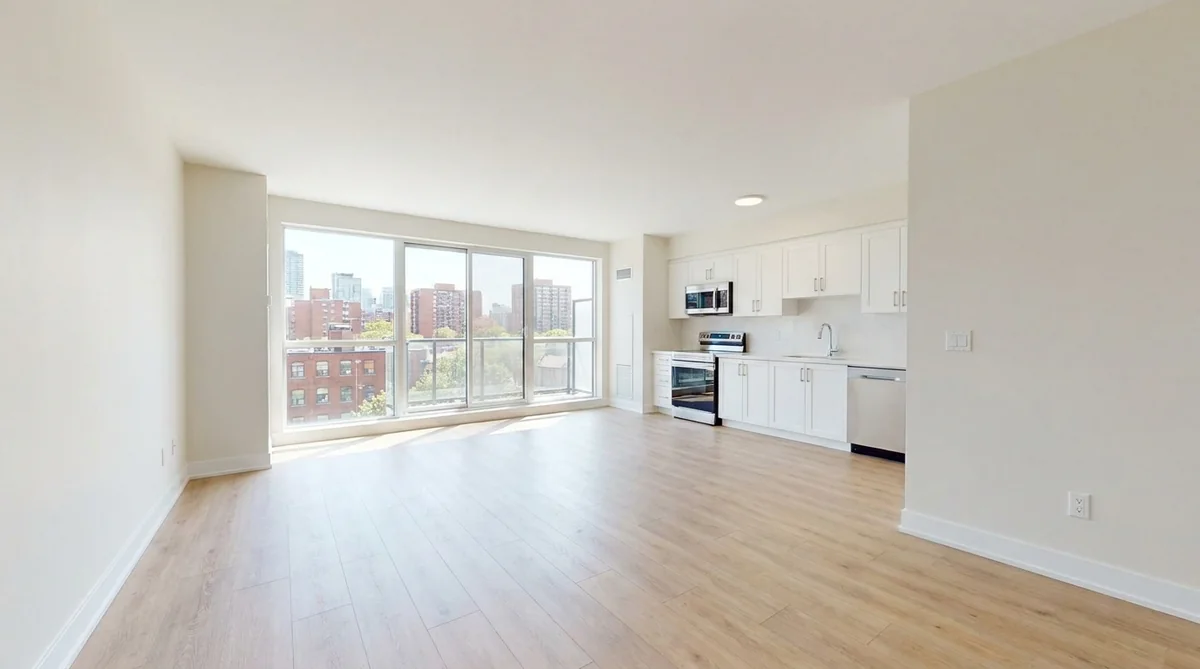
The single biggest reason to build a 4+1 rather than a plain fourplex is financing. CMHC’s MLI Select is an insured mortgage program for rental buildings — the best financing in the country — offering up to ~95% of project cost, paid back over up to 50 years. Those long amortizations keep monthly payments small enough that rents can cover them. The catch is simple: it requires five or more units. A fourplex has four, so it does not qualify. Add the backyard suite and you cross the threshold.
That fifth unit is the difference between needing a conventional investor mortgage — typically 25–35% down — and qualifying for MLI Select on a fraction of that cash. A few honest fine-print points:
- 95% is the ceiling, not the norm. The loan is based on what the building appraises at and whether rents comfortably cover payments. Most small builders realistically finance 75–85% of their costs — still far better than anything else available.
- You earn the best terms through a points system by offering some below-market rents, energy efficiency, or accessibility features. In Toronto the affordable-rent test is strict, so most small builders score points through energy efficiency instead.
- Timing matters. You typically build with a construction loan first, then refinance into MLI Select once the building is rented. Insurance premiums rose ~73% in July 2025, and the energy rules get tougher for applications after September 30, 2026 — so terms are gradually tightening.
Because MLI Select is a mortgage-insurance program with moving parts, this is where a mortgage broker experienced in multi-unit financing earns their keep. You can read the program basics on the CMHC MLI Select page. Our job at 905 Reno is to design and build the units so they hit the energy and quality targets that unlock those points in the first place.
The income side: what a 4+1 earns
Costs are only half the story. Here is roughly what a finished 4+1 brings in, using 2026 GTA rent ranges:
| Scenario | Monthly income | Annual (gross) |
|---|---|---|
| New-build 4+1: four main units (~$10,200) + suite (~$3,200) | ~$13,400 | ~$160K |
| Conversion 4–5 units | ~$11K–$12K | ~$135K+ |
| Garden suite alone (1-bed) | ~$2,000–$3,000 | ~$24K–$36K |
| Garden suite alone (2-bed) | ~$3,000–$3,500 | ~$36K–$42K |
The honest read: on a new build, the numbers only work as a long-term hold — cheap land, maximum MLI Select financing, and patience while rents grow and tenants pay down the mortgage. A conversion reaches positive territory faster because your cost basis is so much lower. Either way, this is a wealth-building play measured in years, not a quick flip.
The fine print and real risks
A 4+1 is a strong model, but it is not a sure thing. The costs and risks worth budgeting for:
- The Toronto Hydro upgrade. Five units need far more electrical capacity than one house. This is the most common surprise bill — get an estimate at the design stage, not after framing.
- Appraisal below cost. A new build will likely appraise below what you spent, which limits how much you can refinance out on day one.
- Rising insurance and tightening rules. MLI Select premiums rose ~73% in July 2025, and energy requirements tighten for applications after September 30, 2026.
- Lot-specific killers. A protected tree, heritage status, a ravine overlay, or the garden-suite fire path can shrink or sink the “+1” — which is why screening the lot comes first.
So is a 4+1 worth it?
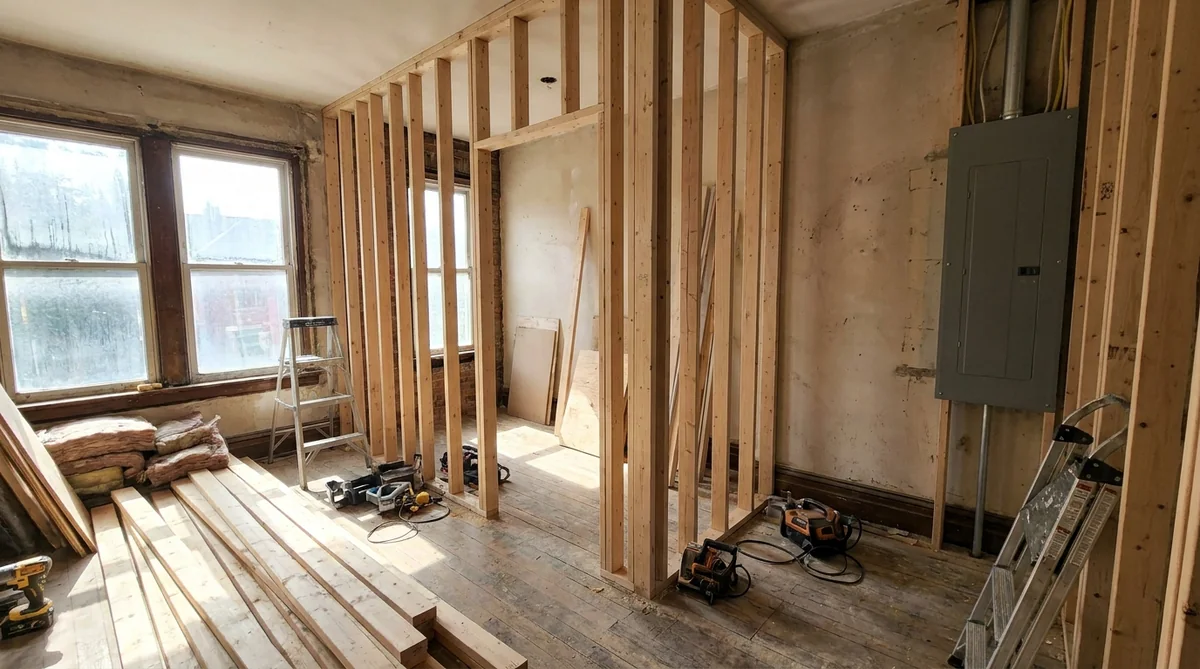
For a homeowner-investor who can hold for the long term, the 4+1 is one of the most compelling residential plays in Toronto right now: five income units on one lot, roughly $0 in development charges, a GST refund, and access to Canada’s best rental mortgage. The conversion route in particular — keep or buy a solid house, renovate it into units, add a suite — brings the entry cost within reach of an ordinary owner in a way a ground-up build does not.
The deciding factor is almost always the specific lot and your timeline. That is exactly what a good design-build partner can pressure-test before you commit real money.
Why build your 4+1 with 905 Reno
905 Reno is a full-service GTA design-build company that handles the whole 4+1 arc: screening your lot, the city pre-check, designing the fourplex and garden suite together to hit the MLI Select energy targets, coordinating the Toronto Hydro upgrade early, and running both builds on one schedule so you reach rented units faster. We work across Toronto, Vaughan, Markham, Mississauga and the wider GTA, and we keep the budget honest from the first conversation.
Want real numbers for your lot? Call 905 Reno at (416) 995-4534 or request a free quote. We will screen your property, sketch a budget for both the conversion and new-build paths, and tell you honestly which one your lot and timeline actually support.
Frequently asked questions
How much does a Toronto 4+1 cost to build in 2026?
Converting an existing house into 3–4 units and adding a backyard suite typically runs about $1.8M–$2.2M all-in. Building everything new from a teardown lot runs closer to $3.5M–$3.8M. The conversion costs far less because you reuse the existing structure.
Do you really pay no development charges on a 4+1?
Close to it. Units 2–4 in the fourplex have their development charges waived, unit 1 replaces the existing house and owes nothing, and the backyard suite’s fees are deferred for 20 years and effectively forgiven as long as you keep renting it. In practice a 4+1 pays roughly $0 in development charges — $200,000+ in fees that no longer apply.
What is MLI Select and why does the fifth unit matter?
MLI Select is CMHC’s insured mortgage program for rental buildings, offering high loan-to-cost and amortizations up to 50 years. It requires five or more units, so a four-unit fourplex does not qualify but a 4+1 does. That fifth unit is what unlocks the country’s best rental financing with far less cash down.
Can I really finance 95% of the cost?
95% is the ceiling, not the norm. The actual loan depends on the appraised value and whether rents comfortably cover payments. Most small builders realistically finance 75–85% of their costs through MLI Select — still far better than the 25–35% down a conventional investor mortgage requires.
What does a 4+1 rent for?
A full new-build 4+1 grosses around $13,400/month (~$160K/year): roughly $10,200 from the four main units and $3,200 from the suite. A conversion typically grosses $11K–$12K/month. After operating costs, budget roughly $110K/year net on a full new build.
What is the most common surprise cost?
The Toronto Hydro electrical upgrade. Five units need much more capacity than a single house, and the cost catches many owners off guard. Get an estimate at the design stage so it is in your budget from the start rather than a mid-project shock.
Is a 4+1 a good investment?
For an investor who can hold long term, it is one of the strongest residential plays in Toronto — five income units, near-zero development charges, a GST refund, and MLI Select financing. It works best as a multi-year hold rather than a quick flip, and the conversion route is the most accessible entry point. This is general information, not financial advice; run your own numbers with a broker and accountant.